A sudden change in diet disrupts most domestic animals, often without us realizing it immediately. Some species struggle with even the slightest deviation from their routine, while others seem to adapt without complaint. Veterinarians regularly observe avoidable mistakes, resulting from a lack of understanding of the real needs of each species.
Sharing your daily life with an animal means accepting to learn every day. A few thoughtful gestures, regular observation, and a tailored environment can make a difference, both for the animal and for yourself.
Why your pet’s well-being transforms your daily life
The presence of a furry or feathered companion leaves its mark on every moment. Their well-being is felt from the morning, colors the return from work, and soothes tensions. A calm animal means a quieter home, a sense of security, and a relational warmth that is unmistakable. French studies show: a companion that is balanced and whose needs are respected acts as a natural stress reliever. The website Les Chiens ne font pas des Chats promotes a holistic view: observe, listen, adjust daily life to better understand your animal. Monitoring diet, providing clean water at will, and caring for the living space: these habits limit health issues and create an appreciable quality of life for both the animal and its humans. Establishing positive routines, paying attention to play as well as rest, and observing relentlessly: this is the foundation of a more serene daily life. Specialists emphasize the impact of regular care to ensure the health of the companion.
Here are some concrete suggestions to provide a suitable environment for your pet:
- Enrich the living space by adding toys, hiding spots, or observation points according to the species
- Encourage physical and mental activity, taking into account the specificities of each animal
- Maintain emotional stability through gentleness and consistent cues
Living with an animal means recognizing its individuality. Taking care of it means valuing every shared moment and establishing a harmonious and respectful cohabitation.
What simple gestures promote a fulfilling cohabitation every day?
Living with an animal requires attention and consistency. Every detail contributes to a healthy life in the home. Adapting the diet, respecting the animal’s rhythm, securing its living space: these daily gestures strengthen the bond and prevent many troubles. For dogs and cats, routine weighs heavily: a quiet corner for napping, natural light from a window, a regular walk, or playtime prevents boredom and stimulates physical and mental activity.
To promote their balance, it is wise to incorporate the following habits:
- Change toys regularly and vary the small routes to explore in the house
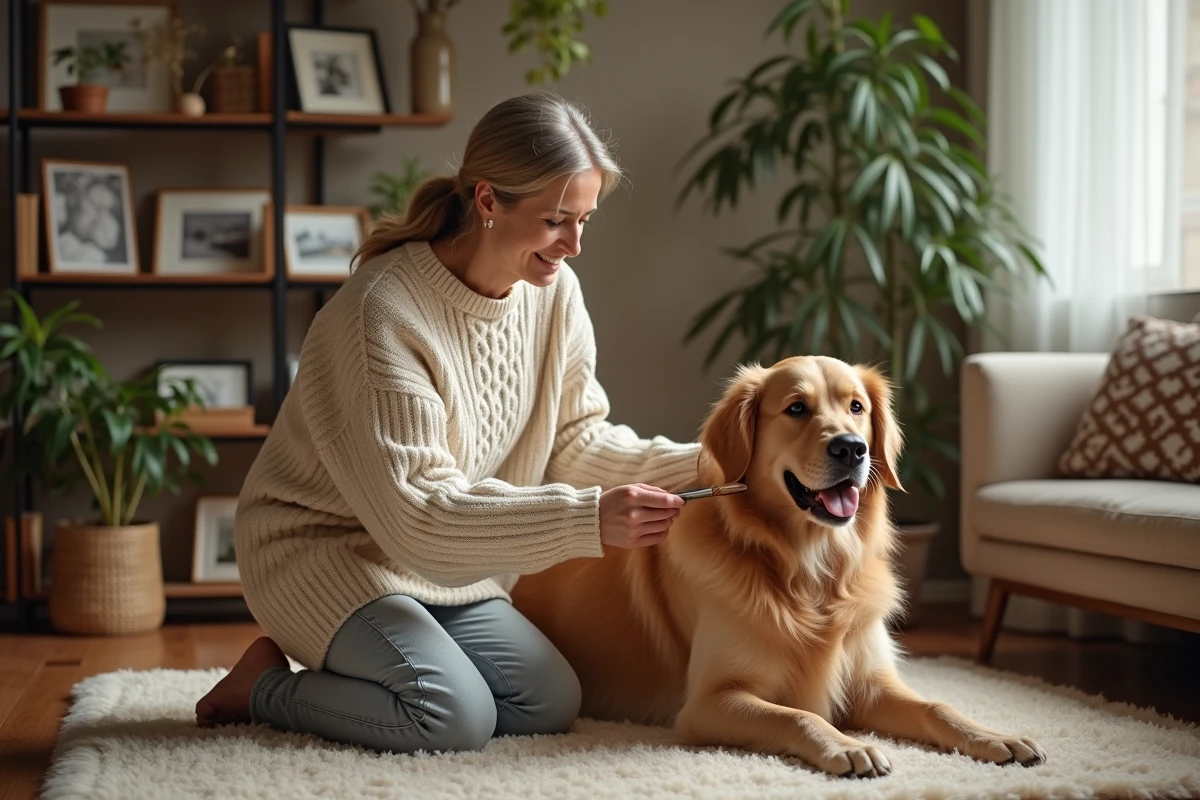
- Take the time each day to brush or pet your animal, adapting to its temperament
- Keep water and food accessible at all times, without interruption
Stay attentive to any changes: decreased appetite, unusual behavior, seeking isolation… These signals invite adjustments to the care. Experts remind us of the importance of understanding specific needs based on age, breed, or lifestyle. By adapting each gesture to the animal’s particularities, we build an authentic cohabitation that respects its nature.
Reliable tips to strengthen the bond and prevent everyday issues
Complicity with an animal is maintained through simple attentions, repeated every day. To build a trusting relationship, consistency is key. A shared playtime, even if brief, lays the foundation for a solid relationship. Sometimes, everything hinges on the tone of voice, posture, or gaze: non-verbal communication shapes the balance and serenity of the home. Anticipating helps avoid many inconveniences. A secure space, free from toxic products within reach of a nose or exposed electrical wires, protects dogs and cats from domestic accidents. Adapting the environment also means considering the age or energy of the animal: a soft cushion for sensitive joints, a cat tree for the more playful ones, everything matters.
Here are some simple reflexes to avoid everyday troubles:
- Examine the coat and paws after each outing
- Change the water morning and evening to preserve health
- Make an appointment with the veterinarian at the first sign of any suspicious symptoms
If you welcome a Nac (new pet), inform yourself precisely about its behavioral and physiological needs. An appropriate diet, stable temperature, suitable lighting: these details make a difference. The advice for living happily with pets comes from listening, patience, and constant adaptation to the individuality of each animal. Ultimately, every exchanged glance, every established habit, shapes a daily life where the animal takes its rightful place, and where the human also finds new reasons to smile.