
The French numbering system holds many surprises, and numbers starting with +33 806 are a perfect illustration of this. Far from the standards of fixed or mobile lines, they belong to a category of their own, shaped by the regulator’s choices. Their use, straddling the line between public service and commercial tool, intrigues, raises questions, and sometimes causes concern. Authorities get involved, companies seize them, and users wonder: +33 806 is not just a string of numbers; it’s a technical and regulatory playground where trust is gained or lost.
Understanding the +33 806 number: origin and meaning in the French telephone landscape
A call coming from a +33 806 can be surprising. This prefix is neither that of a mobile nor a classic landline: it signifies belonging to the 0806, these numbers designed to inspire trust where many users previously expected a pricing trap. This format guarantees a cost identical to that of a local call, most often included in plans, whether calling from Bordeaux or the countryside.
This change did not happen by chance. After the excesses of surcharges that have burned generations of subscribers, the regulator decided: it was necessary to reset the transparency clock. In this regard, ARCEP imposed much stricter standards on the sector, with a simple goal: to create a neutral space where everyone knows what they are paying and why. Organizations and companies concerned about their image quickly seized this opportunity, relieved to offer their clients an administratively clean and financially straightforward contact.
To dissect all the rules, restrictions, and subtleties surrounding this type of numbering, the +33 806 code in detail provides a comprehensive overview.
The ambition? To restore a healthy climate between telephone professionals and the general public. Of course, no solution is completely foolproof: as soon as a system reassures, it also attracts those who would like to circumvent it for their benefit.
What are the numbers starting with 0806 used for, and who really uses them?
Since their introduction, 0806 numbers have shaken things up. Their existence has gradually dispelled the fear associated with telephone services, often seen as the gateway to surprise bills.
Here are some concrete cases where +33 806 finds its place:
- Businesses and associations use them for their customer services: every user knows that the communication will not trigger any hidden extra costs, and the relationship opens up immediately without suspicion
- Public administrations or institutions adopt this prefix for telephone reception, ensuring trustworthy information without opaque conditions
- Help or advisory services, on health, energy, or social issues, prefer 0806 to guarantee neutral and clear access to their resources
Dialing this type of number today is an apprehension-free gesture: no need to scrutinize the duration of the call or fear a hefty bill for a simple inquiry. As a result, scam schemes based on hidden fees no longer have the same grip, making way for a new form of assurance in users’ daily lives.
It can be said that +33 806 has clearly taken root as a reference point, where the reflex of distrust once dominated the relationship with reception or support platforms.
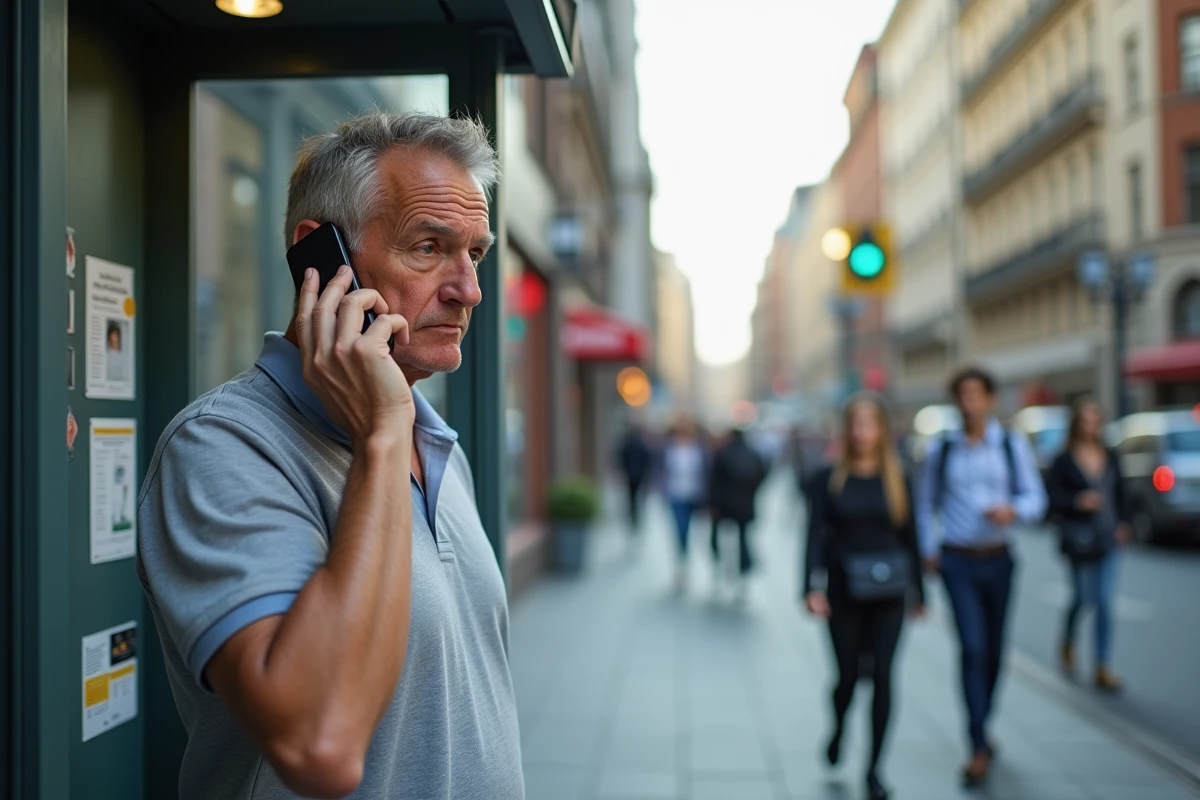
Unwanted calls, fraud risks, and tips to avoid traps related to +33 806
This reassuring environment, however, is not immune to abuses. Some scammers always manage to detect new opportunities. Taking advantage of the “clean” image of +33 806, they orchestrate automated call campaigns or play on ambiguity to extract more than just the simple attention of a surprised interlocutor.
Exercising discernment with any unknown call from an 0806 has become imperative. Before even calling back, always check the origin of the number via a reference site or an official document: consulting, cross-referencing, and taking your time are reflexes that significantly limit the risk of falling into the trap.
To further enhance your security, these good practices make a difference:
- Do not share any personal or banking information until the caller’s reliability is established
- Note the suspected number, as well as the date and time of the call, to keep a useful record in case of doubt or reporting
- If the situation seems suspicious, reach out through a previously validated channel: official website, serious postal address, or already known number of the organization
Scams evolve: the bill is no longer the preferred weapon, but rather the art of manipulation through voice or the appearance of legitimate service. In the face of these risks, staying clear-headed, questioning, and verifying is what empowers the informed user.
Every display of a +33 806 awakens this dual sentiment: direct access or subtle threat? Between restored trust and residual suspicion, it is up to each individual to exercise discernment. After all, a telephone line can connect two responses: the one you expect… or the one that surprises.