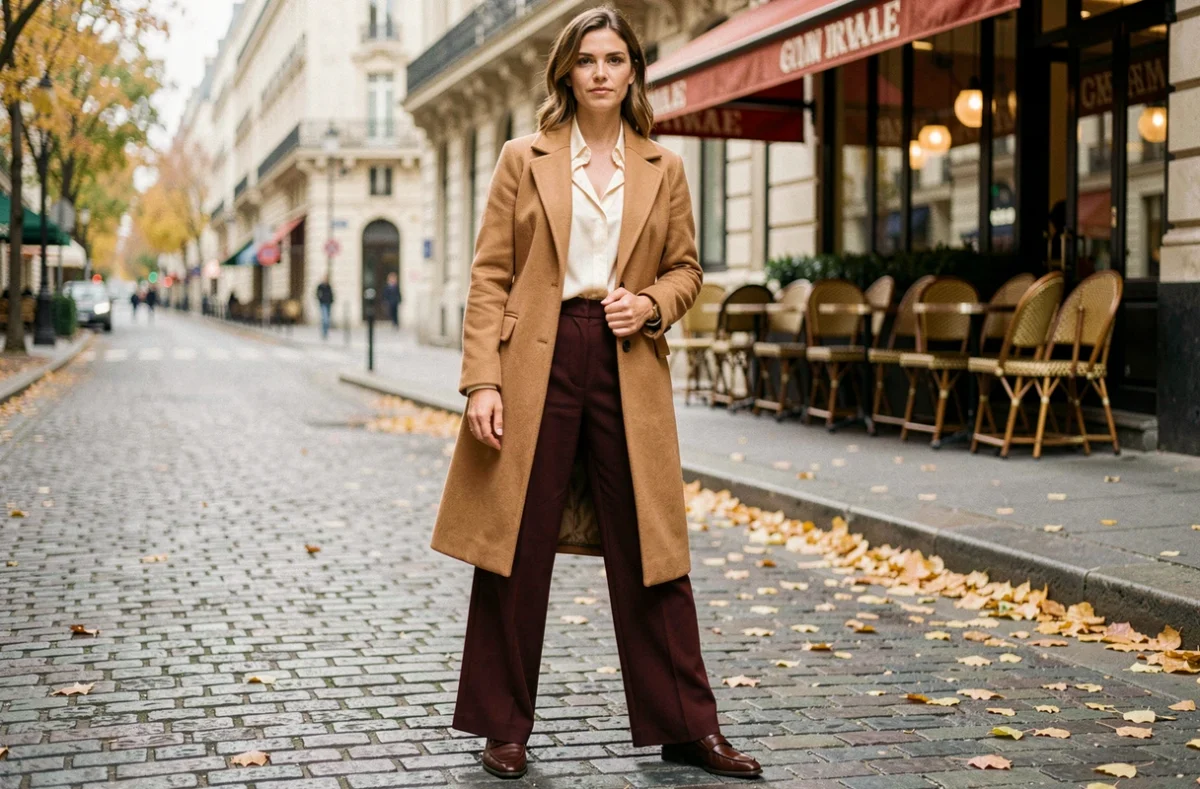
Fashion in 2026 is not just a carousel of colors and silhouettes. A series of European regulations are reshuffling the deck: a ban on destroying unsold textiles, a digital passport for products in preparation, and strengthened traceability obligations. These constraints are transforming how brands design, produce, and sell their collections, and indirectly changing the selection criteria for consumers.
Textile Traceability and Digital Passport: What Changes for Your Wardrobe
The European regulation on the eco-design of sustainable products, adopted in 2024, aims to associate structured information with each textile item regarding its composition, origin, manufacturing, durability, repair, and recycling. The detailed requirements for textiles are still to be established by a specific act, expected in the European calendar of 2027. Therefore, the system is not yet fully mandatory, but the framework exists.
This digital passport for products makes sustainability claims more verifiable. For those looking to elevate their style with elegance, this regulatory context offers a concrete reference: a traceable piece, with known material origins and manufacturing conditions, serves as a more reliable quality guarantee than a simple marketing label.
Exploring the collections offered on the Madame Turban fashion site allows you to spot pieces that already incorporate this logic of transparency in their selection.
Ban on Destroying Unsold Goods: A Fashion Trend Imposed by Law
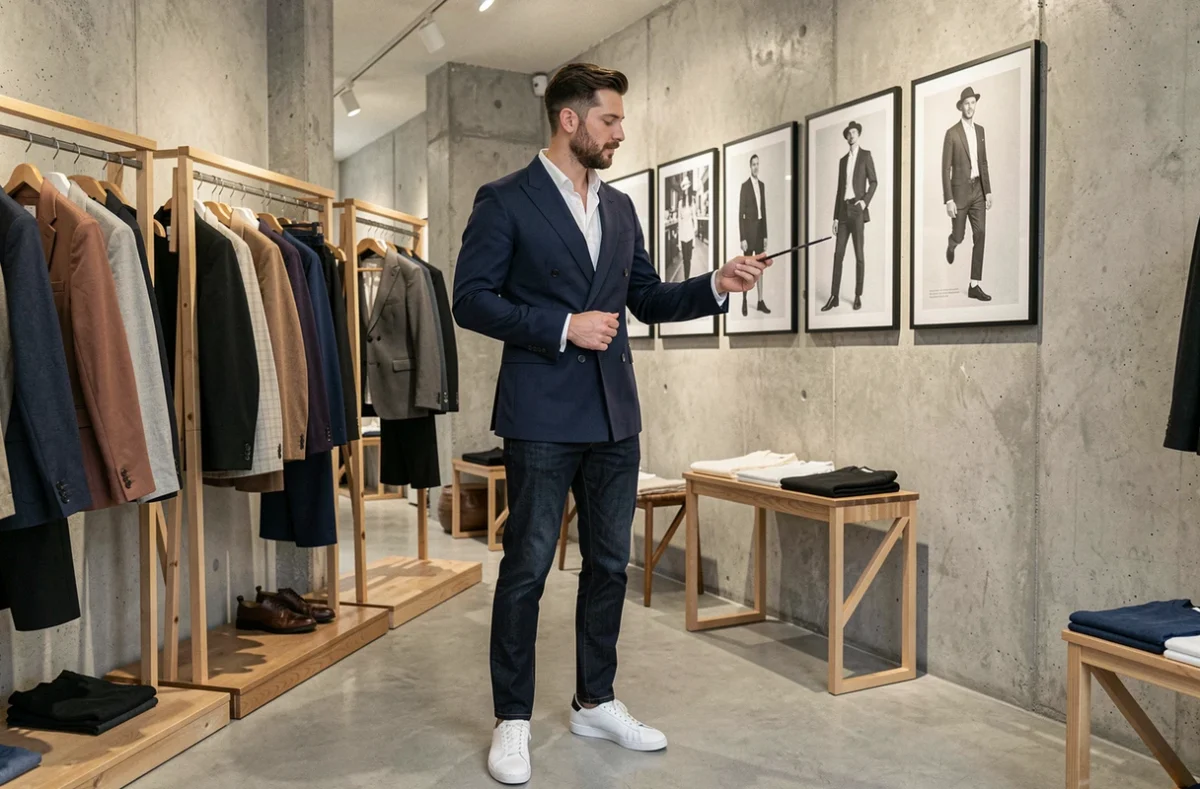
Since July 19, 2026, large companies operating in the European Union can no longer destroy their unsold clothing, accessories, and shoes, except for exceptions provided by the regulations. They must also publish information about the destroyed products, the reasons cited, and the treatment channels used.
The direct impact on collections is twofold. Brands are producing smaller, more adjusted series, which reduces the overwhelming supply of nearly identical pieces. End-of-line items and unsold models are redirected to second-hand, donation, or recycling channels.
For everyday style, this evolution encourages a reflex already perceptible: to favor durable pieces that can be worn across multiple seasons, rather than impulsive purchases with a short lifespan. A well-cut coat in a durable material or a dress with a timeless cut becomes a more rational choice than yet another trendy purchase destined for the back of the closet.
Materials and Cuts to Favor This Season for a Sustainable Style
Natural materials occupy a central place in current fashion trends. Linen, organic cotton, merino wool: these fibers meet both the regulatory requirements for traceability and comfort expectations. Choosing a traceable natural material better protects your investment than a synthetic fabric with an opaque composition.
In terms of cuts, the season confirms a movement towards structured yet flexible silhouettes. Key elements to consider for a cohesive outfit:
- Straight and slightly loose cuts on jackets and trousers, which adapt to different body types without sacrificing elegance
- Midi dresses in fluid materials, suitable for both office wear and an evening out with a simple change of accessories
- Monochrome pieces in neutral tones (beige, taupe, navy blue), which simplify combinations and elongate the silhouette

The color palette of the season is not limited to neutrals. Bright shades remain present, but their use is evolving: a single colored piece is enough to energize a sober look. A structured bag in a bold tone or a printed silk scarf transforms an entire outfit without multiplying purchases.
Accessories and Repair: Extending the Elegance of Each Piece
The rise of the right to repair also affects textiles. Several brands are beginning to offer integrated alteration or repair services, and this trend is expected to amplify with upcoming European obligations.
Accessories play a strategic role here. Rather than completely renewing your wardrobe each season, a few well-chosen pieces are enough to refresh a look:
- A textured fabric scarf or turban, which adds depth to a solid outfit
- A high-quality leather belt, repairable and adjustable over time
- Subtle jewelry in raw metal or natural stones, which adds character without overwhelming
- A durable material bag whose patina improves with use
Maintaining and repairing existing pieces becomes a style gesture as well as an economic choice. A blazer with a replaced lining or a dress with an adjusted hem regains a second life, often more flattering than the original.
The fashion trends of 2026 outline a style guide where regulation meets elegance. The digital passport, the ban on destroying unsold goods, and the rise of repair are not abstract constraints: they are concrete criteria for better choosing each piece. A traceable, durable, and repairable garment remains the best ally for a look that transcends seasons without losing its shape.