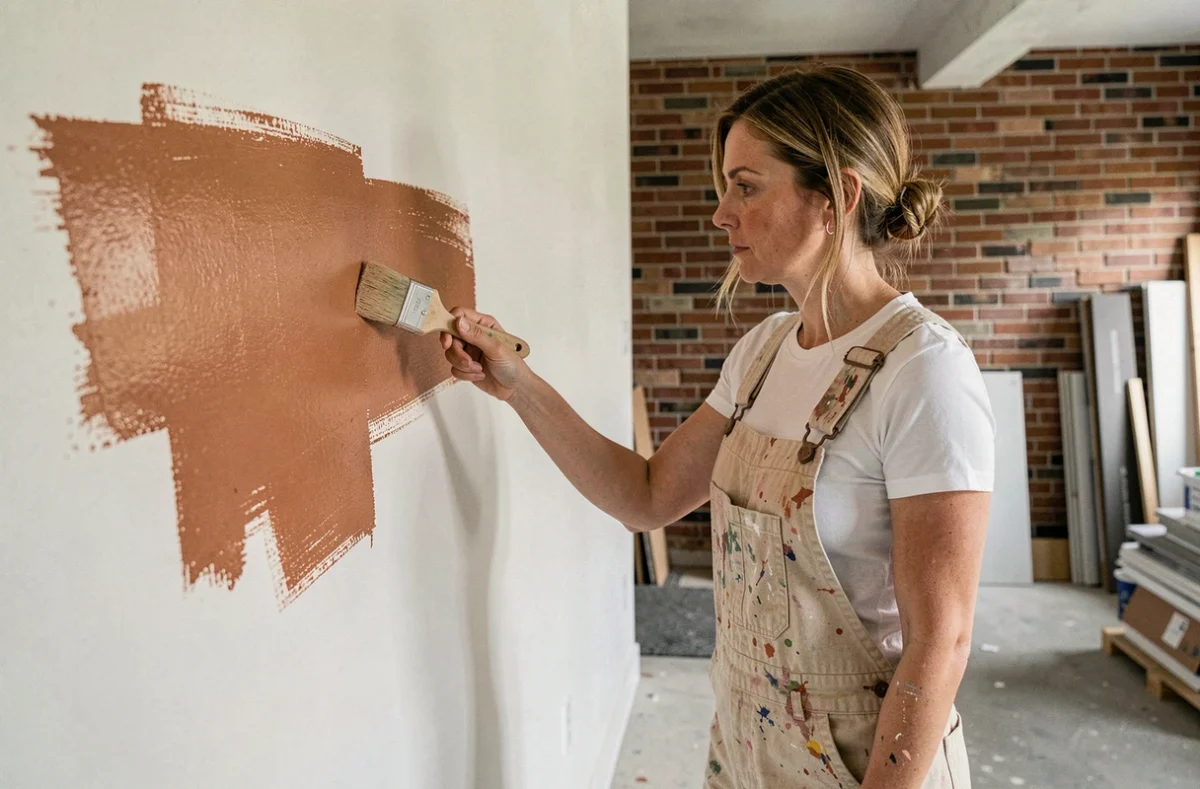
Since September 1, 2026, the framework for renovation aids has profoundly changed in France. Decree No. 2026-822 of August 25, 2026, has refocused MaPrimeRénov’ on a limited number of isolated actions, rendering certain piece-by-piece work strategies obsolete. For those considering an interior renovation, this reform alters the way to plan a project, including the aesthetic aspect.
Interior Renovation and Energy Constraints: A Mandatory Trade-off
Competitors rarely address the link between decorative choices and energy performance. The MaPrimeRénov’ reform requires thinking differently: insulation, ventilation, and heating must be designed together, not as a succession of small independent projects.
In the supported pathway, the housing must be classified E, F, or G, the program must include at least two types of insulation, and aim for a gain of at least two energy performance certificate (DPE) classes. In practical terms, renovating a kitchen or bathroom without addressing thermal issues risks requiring a second project a few months later.
Before choosing a flooring material, a backsplash, or lighting, the first question to ask concerns the building envelope. An interior lining with high-performance insulation alters wall thickness, thus affecting the placement of outlets, furniture, and sometimes the usable area. Those who consult the work on Murmures Déco will find this logic: style comes after structure, not before.
In the action-based pathway, insulation alone has not been funded since September 2026. Certain heat pumps, connection to a heating network, the removal of an oil tank, and energy audits remain eligible under certain conditions. This restriction encourages grouping interventions to maintain a reasonable remaining cost.
Interior Renovation Materials: How Thermal Performance Changes Aesthetic Choices
The thickness of an insulating interior lining reduces floor space. In a modestly sized apartment, losing a few centimeters on each peripheral wall changes the game for the layout of a kitchen or bathroom.
This parameter directly influences the choice of finishing materials. A thin lime plaster, compatible with certain bio-based insulations, offers a textured finish without adding extra thickness. Conversely, decorative paneling installed on battens consumes space and complicates the treatment of thermal bridges at wall-ceiling junctions.
Floor Coverings and Floor Insulation
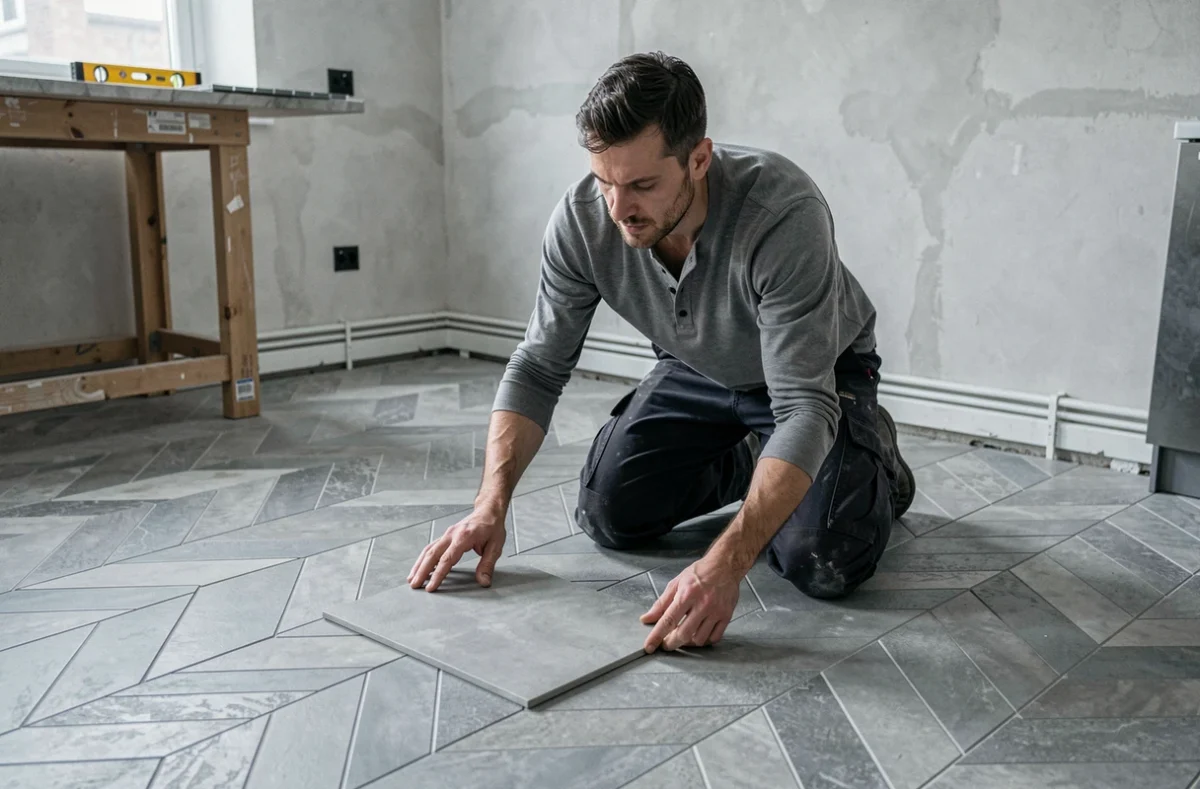
A solid wood floor laid on joists allows for the integration of insulation underneath, combining acoustic comfort and thermal gain. Field feedback varies on this point: some craftsmen prefer a click laminate floor for its ease of installation, but its insulation performance remains significantly lower.
- Engineered wood flooring on a resilient underlay combines wood aesthetics with acoustic correction, without excessive elevation of the floor.
- Large-format tiles, trendy in living spaces, require careful leveling that can integrate a low-temperature underfloor heating system.
- Soft floors (vinyl, natural linoleum) are suitable for quick renovations but do not provide any significant thermal improvement.
The choice of flooring determines the heating system that can be considered. Underfloor heating requires a compatible covering (tiles, certain engineered wood floors), which effectively excludes certain decorative options.
Natural Light and Ventilation: Two Underestimated Levers in Interior Renovation
Enlarging a window or creating a glass interior opening radically transforms the atmosphere of a room. This action is also one of the most regulated: in co-ownership, any facade modification requires a vote at the general assembly.
Natural light reduces dependence on artificial lighting, but it interacts with ventilation. A properly sized mechanical ventilation system (VMC) prevents condensation and mold after enhanced insulation. Without sufficient air renewal, decorative materials (paint, wallpaper, plaster) deteriorate more quickly.
Interior Glazing and Glass Partitions
Workshop-style glass partitions remain popular for separating the kitchen from the living space without blocking light. Their installation involves a load calculation if the supporting wall is affected. A prior structural diagnosis costs less than a remedial work afterward.
Fixed glass partitions, easier to install, allow for maintaining light circulation in a hallway or entryway. Combined with indirect lighting (recessed LED strips), they create visual depth without heavy construction.
Order of Renovation Works: The Sequence that Protects the Budget and the Result
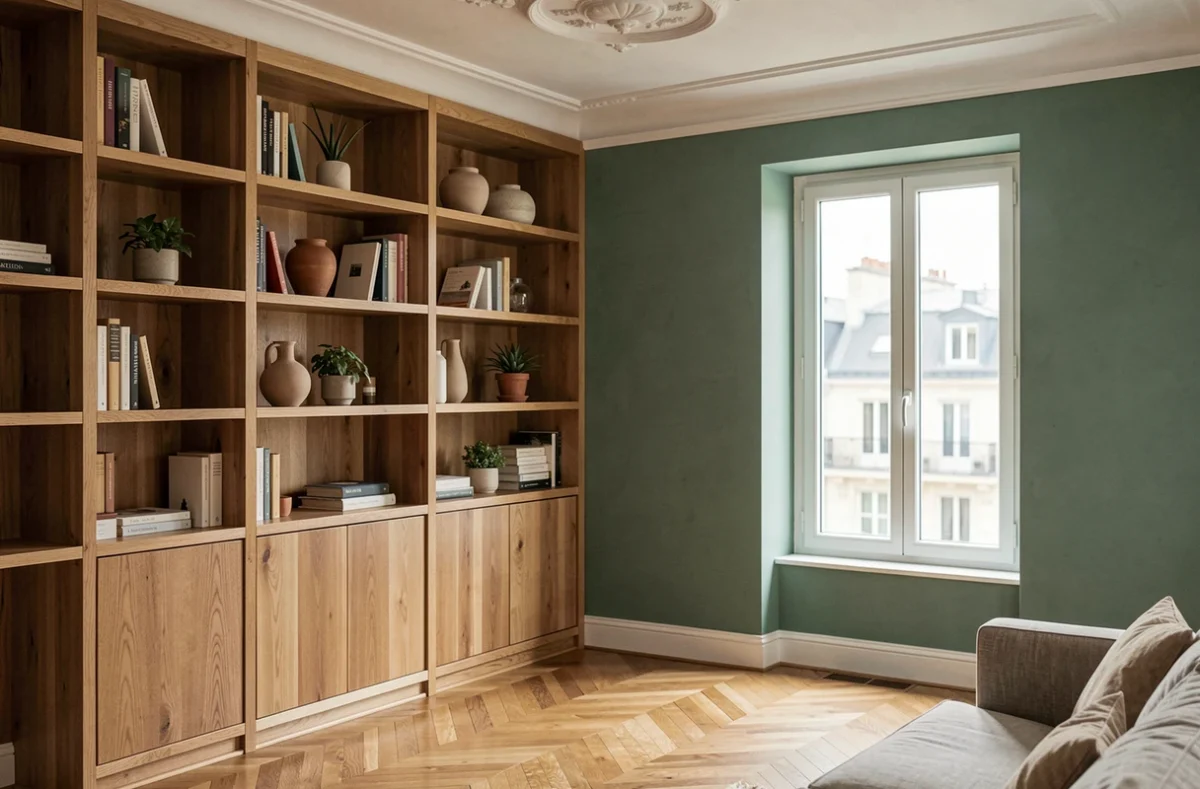
The MaPrimeRénov’ reform has made the order of works crucial, not only for aids but for the final quality. Starting with decoration before addressing the thermal envelope exposes one to costly rework.
The recommended sequence follows a simple technical logic:
- Energy diagnosis and structural audit, to identify constraints before any aesthetic choices.
- Insulation (walls, roof, floor) and treatment of thermal bridges, which modify interior dimensions.
- Replacement or adaptation of the ventilation system, necessary after reinforcing airtightness.
- Finishing works: electrical, plumbing, then coverings, interior joinery, and decoration.
This chronology prevents laying new tiles before discovering that an insulating lining requires moving a pipe. The available data do not allow for precise calculation of the savings achieved by following this order, but construction professionals agree that post-decoration rework represents a frequent cost overrun in renovation.
Maintaining gas or oil heating in a renovated home can also jeopardize achieving the required gain of two DPE classes in the supported pathway. This technical point, often overlooked at the decorative reflection stage, deserves to be addressed from the first meeting with a project manager or interior designer.
A successful interior renovation project in 2026 is distinguished less by the choice of a trendy color than by the ability to integrate thermal, regulatory, and aesthetic constraints into a single coherent plan. The reform of aids has made this comprehensive approach not optional, but structural for both the budget and the final result.