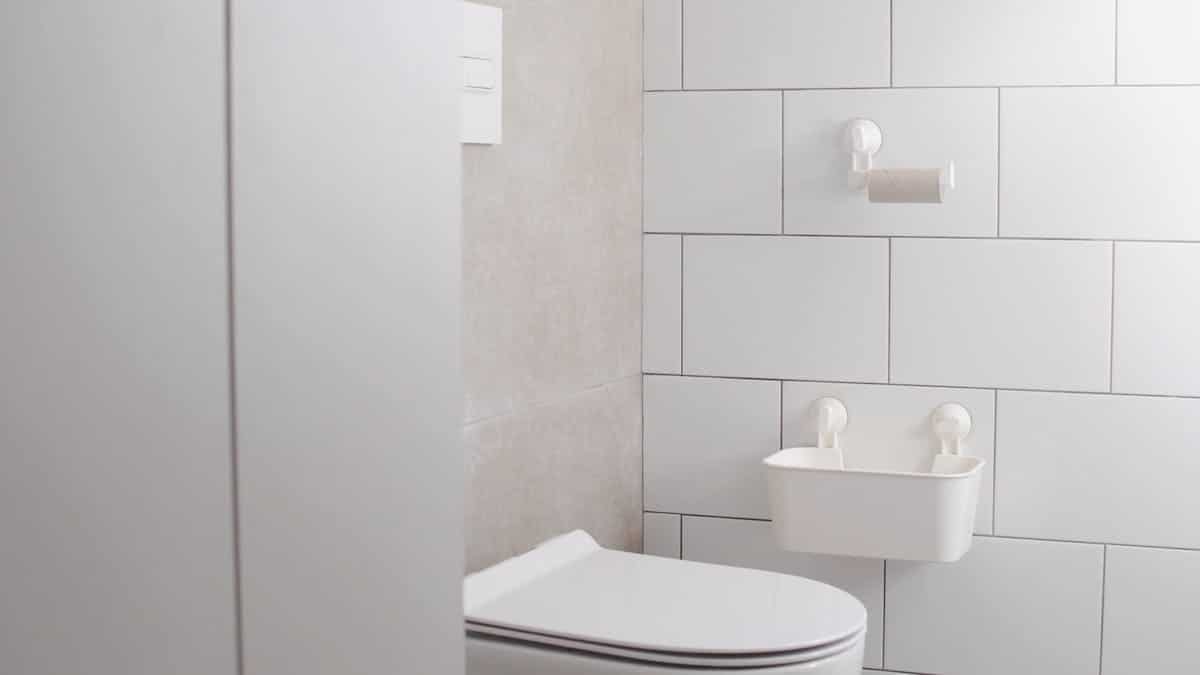
In the modern plumbing landscape, wall-mounted toilets have gained popularity. Offering a sleek design and ease of cleaning, they are, however, prone to occasional leaks. These issues, while inconvenient, can be resolved with a bit of know-how and the right tools. This practical guide will shed light on the steps to effectively address a leak in a wall-mounted toilet. It is intended for those who prefer the satisfaction of doing things themselves rather than calling in a professional.
Wall-mounted toilet leaks: a recurring problem
To identify the source of a ‘leaking flush‘, a thorough verification process is necessary. The inspection should begin with the toilet tank to detect any signs of overflow or unwanted seepage. If you notice water flowing into the overflow, it may indicate a problem with the float mechanism that requires either repair or replacement.
If this initial inspection does not reveal the exact origin of your ‘leaking flush‘, and both the tank and its immediate surroundings are dry, it is time to move on to the next step: carefully examine the bowl itself. This can be done by adding a few drops of food coloring to the tank without flushing for at least thirty minutes. If you find the color in the bowl without activating the flush system, it becomes clear that there is indeed a situation where you have a ‘leaking flush’.
Do not overlook the pipes connected to your wall-mounted toilet; they can also be responsible when searching for why you are facing a ‘leaking flush’. Make sure there are no visible cracks on these components.
Additionally, be sure to carefully examine the flapper at the bottom of the tank as it may be affected by several factors such as limescale buildup or wear from frequent use. These disturbances can compromise its optimal functioning and thus cause the unfortunate situation where you are dealing with a ‘leaking flush’.
Conducting this exercise requires method and patience; accurately identifying why you are facing a ‘leaking flush’ often demands meticulous diagnosis to avoid confusion between different issues potentially related to wall-mounted toilets.
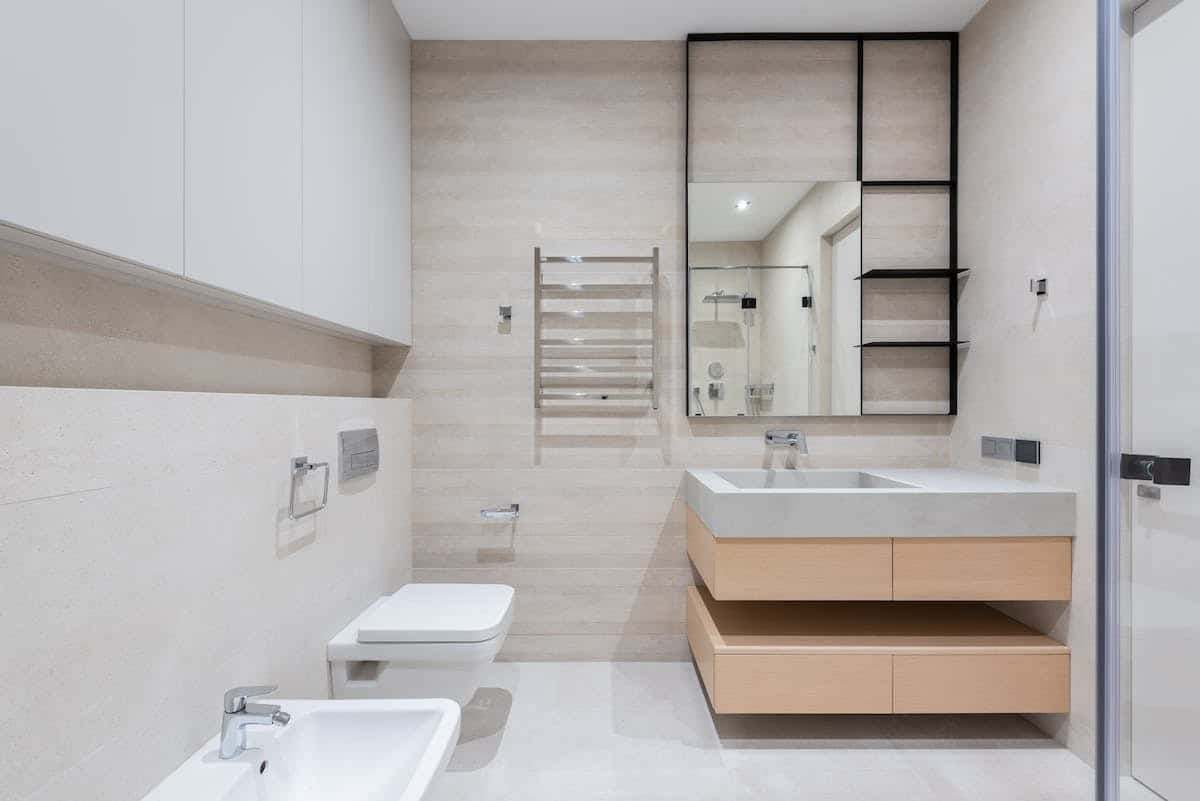
Detecting the source of leaks
Once you have identified the source of the leak in your wall-mounted toilet, it is time to move on to the crucial step: repair. Here are some tips to effectively remedy this issue and avoid future inconveniences.
Make sure you have the necessary tools on hand. You will need an adjustable wrench, a screwdriver, and possibly a new rubber gasket.
If the problem originates from the float mechanism, start by turning off the water supply to the toilet. Then use an adjustable wrench to unscrew the nut that secures the float valve to the tank. Carefully remove the faulty mechanism and replace it with a new one.
If the leak is at the gasket between the tank and the bowl, proceed as follows: completely empty the tank by flushing several times. Then unscrew the nuts located under the tank to remove it. Carefully remove the old damaged gasket and install a new rubber gasket before securely tightening the nuts.
If you find that the leak is coming from the pipes connected to the toilet, it may be necessary to call in a professional plumber to perform a more complex repair. Do not hesitate to seek advice from an expert if you are unsure you can handle this situation yourself.
Once you have made the necessary repairs, it is recommended to conduct a test by filling the tank and flushing several times to ensure there are no more leaks. Also, check that all fittings are tight.
By following these steps carefully, you can quickly and effectively repair a leak in a wall-mounted toilet. Keep in mind that this issue should be addressed as soon as it arises to avoid potentially costly additional damage.
Leak prevention: essential measures
Excessive water usage can lead to excess pressure on the gaskets and internal mechanisms of the wall-mounted toilet, which can result in leaks. It is important to exercise moderation in water use.
Regularly check the condition of the tank and pipes to detect any anomalies or warning signs of a potential leak. A thorough visual inspection will help quickly identify any potential problems.
It is wise to regularly maintain your wall-mounted toilet by properly cleaning its components. Use a specific product to avoid limescale buildup and other impurities that can clog the pipes and cause future issues.
If you notice a persistent leak despite your efforts to repair it, do not hesitate to call in a qualified professional. An experienced plumber will be able to accurately diagnose the source of the problem and carry out the necessary repairs with expertise.