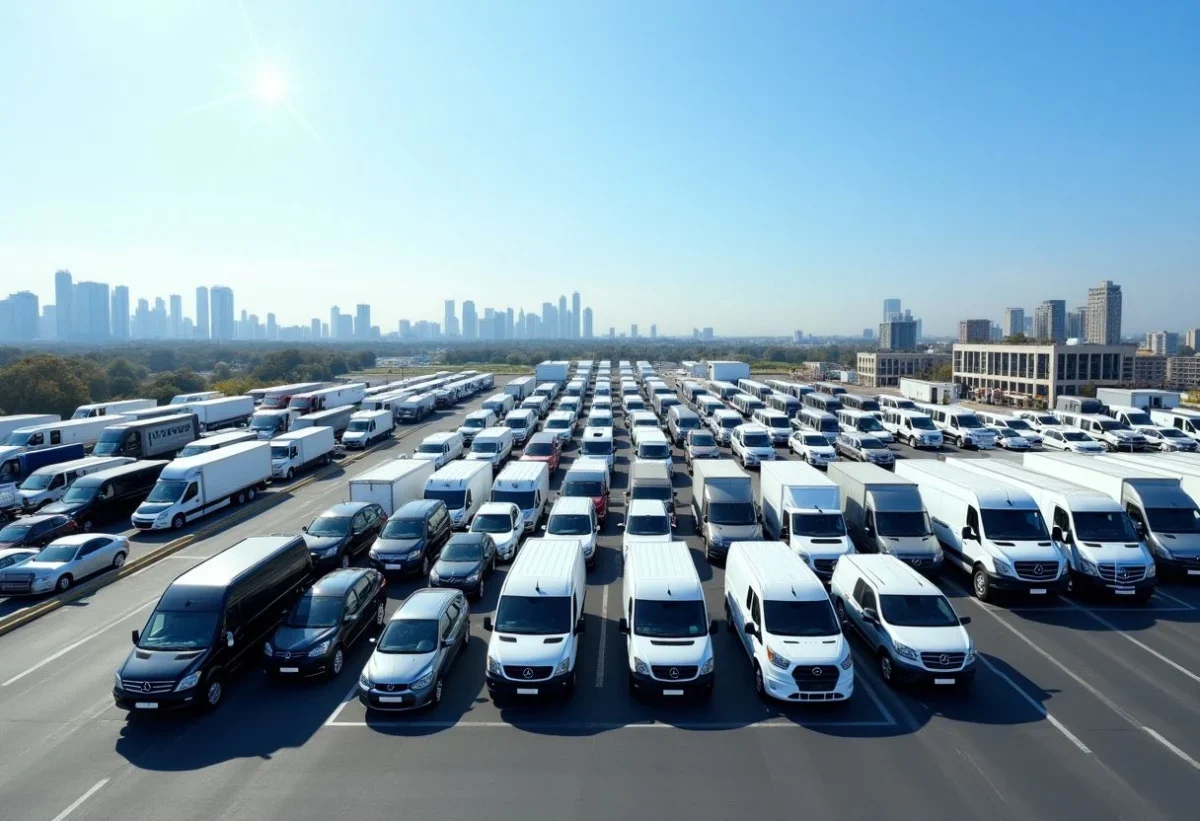
Fleet management has become a major issue for companies looking to optimize their resources and improve their profitability. With the rapid evolution of technologies, fleet management tools have advanced, allowing managers to access real-time data, minimize operating costs, and increase operational efficiency. In a world where every vehicle and every kilometer traveled counts, mastering the art of fleet management is more essential than ever. Far from being just a trend, this practice embodies a strategic lever for any organization concerned about its economic and ecological future.
The foundations of fleet management
Understanding the basics of fleet management allows for effective structuring of operations. Here are some essential points that define this discipline.
- Vehicle inventory: Having a complete overview of the company’s vehicles is crucial. This task includes tracking models, registrations, mileage, and maintenance dates.
- Route optimization: An effective route management system can significantly reduce fuel costs and travel time, thereby optimizing the use of each vehicle.
- Performance monitoring: Analyzing performance helps identify areas for improvement, whether in terms of fuel consumption, maintenance, or driver behavior.
Modern technologies for effective fleet management
Technological advancements provide powerful tools to transform fleet management into a smooth and predictable operation.
- Geolocation: Thanks to GPS technologies, tracking the real-time position of each vehicle becomes possible, allowing for increased responsiveness to unforeseen events.
- Digital platforms: These interfaces centralize all relevant information for the fleet manager, facilitating informed decision-making.
- Predictive maintenance: The use of connected sensors and data analysis algorithms allows for anticipating failures and optimizing maintenance periods, thus reducing costly downtimes.
Ecological impact and social responsibility
Beyond financial gains, fleet management plays a determining role in adopting sustainable and responsible practices for the environment.
By integrating low-emission vehicles, companies can reduce their carbon footprint while meeting the expectations of consumers and regulators. Investing in green technologies and alternative fuels also constitutes a profitable long-term strategy, reducing energy costs and enhancing the company’s brand image. Considering environmental criteria in purchasing and fleet management decisions reflects a strong commitment to sustainability.
Driver training and safety
To maximize the efficiency of fleet management, emphasis must be placed on ongoing training and driver safety.
A well-structured training program can have a considerable impact on fuel efficiency and road safety. By raising awareness among drivers about best practices, the company reduces accidents and, consequently, associated costs.
Moreover, by ensuring the well-being of drivers, employee loyalty and satisfaction are strengthened, contributing to a positive and productive work atmosphere.