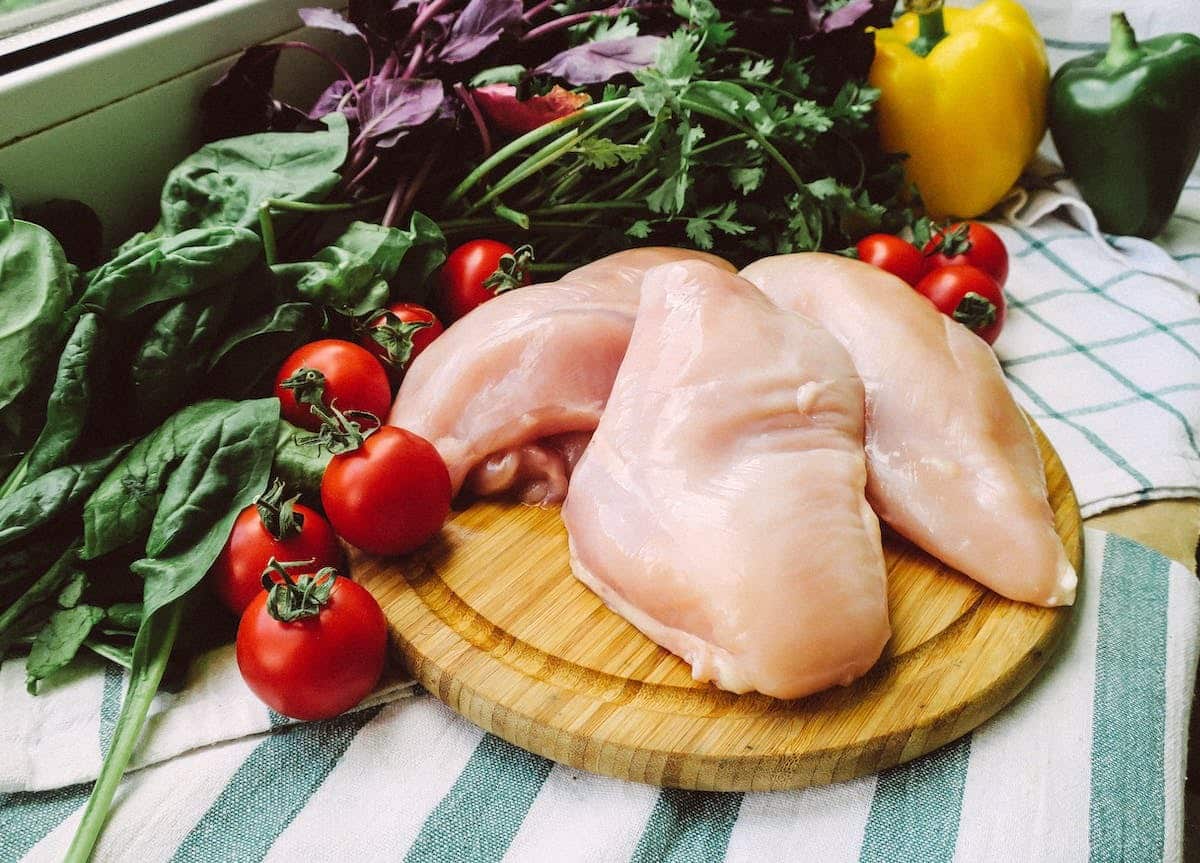
In the culinary world, the quality of ingredients plays a crucial role. For a successful recipe, it is necessary to select fresh and high-quality products. One of the most commonly used ingredients is chicken, a meat appreciated for its tenderness and versatility. Determining its freshness can be challenging for some. Various visual, tactile, and olfactory signals can help assess the freshness of chicken meat, thus ensuring an optimal culinary experience. Identifying these signals can prove to be a valuable tool for any cooking enthusiast.
Traceability of chicken meat: where does it really come from
External signals are key indicators for determining the freshness of chicken. First and foremost, the importance of the expiration date should not be underestimated. If this date has passed, there is a high probability that you are dealing with expired chicken.
The texture and appearance of the skin can also guide you. Firm and elastic skin generally shows a good level of freshness, while brown or greenish spots often indicate product deterioration, which may suggest expired chicken.
The smell is also an undeniable clue: the scent of fresh chicken will be neutral and not unpleasant. Conversely, if you detect a foul odor similar to that of rotting meat, it is undoubtedly a characteristic sign of expired chicken.
Notably, the color: normally a uniform pale pink with a slight sheen in well-preserved poultry; any grayish or darker hue potentially betrays meat whose optimal storage time has already elapsed— in other words: expired chicken.
Then comes the touch, which proves equally significant in our quest to identify the perfect edible fowl: while tender yet resilient flesh generally indicates good preservation, any slimy and soft texture instantly alerts us that we are likely facing a confirmed case of ‘expired chicken.’
Once back home after your meat shopping, be sure to handle your future main dish properly to avoid any risk of contamination. Indeed, meticulously separate each type of food in your cart and during the respective refrigeration storage. Then ensure that their packaging remains intact during these operations to prevent any accidental bacterial breach.
So, even before it hits the stove, early detection of external indicators can seriously tip your decision scale between cooking peacefully or inevitably avoiding… ‘expired chicken.’

Guaranteed freshness: how to recognize quality meat
When it comes to checking the freshness of chicken meat, smell plays an essential role. Indeed, our olfactory sense is capable of detecting the slightest alterations that could indicate that the chicken is no longer fit for consumption.
The first golden rule is to pay particular attention to any abnormal or unpleasant odor emanating from the chicken. Fresh chicken generally emits a slight neutral, even pleasant smell. If you perceive an unpleasant note or if the smell resembles that of decaying food, this can be an alarming sign.
You should note that each person has a different tolerance for odors. What may seem suspicious to some could seem perfectly normal to others. You should trust your instincts when confronted with unusual smells regarding meat.
Sometimes, the appearance of a slight ammonia smell can also be indicative of a problem with the product. This odor often indicates that the chicken has begun to deteriorate and is no longer fresh.
You should not rely solely on smell to judge the freshness of chicken. There are several other factors that must be taken into account, such as the expiration date and visual signals like the appearance of the product.
When it comes to checking the freshness of chicken meat, smell plays a crucial role. You should combine this assessment with other indicators such as the expiration date and the appearance of the product to obtain a complete and accurate analysis before culinary preparation.
Meat odor: the ultimate indicator of its freshness
The color of the meat is another key element to consider when checking the freshness of chicken. Fresh chicken meat should have a nice pale pink color. You should note that the color may vary slightly depending on the species and farming methods. If you notice a significant discoloration or dark spots on the skin or flesh of the chicken, this can be an obvious sign that the product is no longer fresh. Yellowish areas may also indicate the beginning of deterioration.
You should touch the meat. A firm and supple texture is generally synonymous with freshness, while a soft or slimy texture may reflect deterioration.
Another characteristic to observe is the overall appearance of the chicken. Excessive liquid in vacuum packaging or damaged packaging can indicate a problem with the product’s conditioning or storage.
You should emphasize that these indications are not absolute and that if you have doubts about its freshness, it is better to rely on specialists at retail outlets who can provide sound advice.
When it comes to checking the freshness of chicken meat, several aspects must be considered, including smell, color, texture, and the overall appearance of the product. By combining these different factors, it is possible to more accurately assess the quality and freshness of chicken before culinary preparation.
Meat color: deciphering the nuances for an informed choice
The texture of the meat is an essential element when it comes to assessing the freshness of chicken. Quality meat should have a firm texture, but also be supple to the touch. Indeed, if it is too hard, this can be a sign of meat that has been frozen and thawed multiple times, which alters its quality.
On the other hand, a soft or slimy texture may indicate that the chicken has begun to deteriorate. You should carefully observe and feel the meat to detect any anomalies in its texture.
Another aspect to consider is the overall appearance of the chicken. A vacuum-sealed package showing excessive liquids or damaged packaging can be alarming signals regarding the quality and freshness of the product.
You should emphasize that these criteria are not absolute and should be used in conjunction with other indicators such as smell and color to obtain an accurate assessment of the freshness of chicken.
It is recommended to consult professionals at specialized retail outlets for sound advice on choosing fresh chicken to avoid any health risks associated with consuming expired meat.
When checking the freshness of your chicken meat, consider several factors such as the pleasant characteristic smell of fresh product, its uniform pale pink color, and its firm yet supple texture. By being vigilant and using all your senses, you can enjoy superior quality chicken in your culinary preparations.
Meat texture: an essential criterion for a successful tasting
Once you have purchased your fresh chicken meat, certain precautions must be taken to ensure its optimal preservation and avoid any risk of food poisoning. Here are some recommendations to follow:
Safe handling: After purchase, make sure to handle the meat with clean hands or using disposable gloves. Also, avoid touching other raw foods during the process to prevent any cross-contamination.
Proper storage: The meat should be placed in an airtight container or vacuum-sealed to minimize contact with air and thus prevent bacterial proliferation. Keep the meat in the lower part of the refrigerator where the temperature is lower.
Expiration date: Always check the expiration date indicated on the packaging and adhere to it strictly to avoid risks associated with late consumption.
Maximum storage time: To ensure optimal quality, it is recommended not to keep the meat longer than necessary, even if it still seems good to eat. Adhere to the deadlines specified by the manufacturer or consult a qualified professional for precise advice on this matter.
Proper cooking: Before cooking, ensure that the chicken reaches an internal temperature of at least 75 degrees Celsius to eliminate any potentially dangerous bacteria. Use a reliable food thermometer to accurately measure the temperature.
Quick consumption: Once cooked, consume the chicken quickly to avoid any risk of contamination when it remains at room temperature for an extended period.
By following these precautions after purchasing your chicken meat, you will significantly reduce the risks associated with consuming expired or poorly preserved meat. Always ensure to follow good food hygiene practices and consult a qualified professional if you have doubts about the freshness of the product.
After purchase: how to handle and store your meat safely
There are also some visual clues that can help you determine the freshness of your chicken meat. Pay close attention to its color: fresh meat will have a pink or slightly reddish hue. If it shows gray or yellowish areas, this may be a sign of deterioration. The texture of the meat should be firm and elastic to the touch.
Another tip is to check the smell of the chicken. Fresh meat generally emits a neutral or slightly sweet smell. If you detect an unpleasant odor such as ammonia or mold, it is best not to consume this product.
Do not hesitate to use your sense of touch and taste to assess the quality of the chicken.