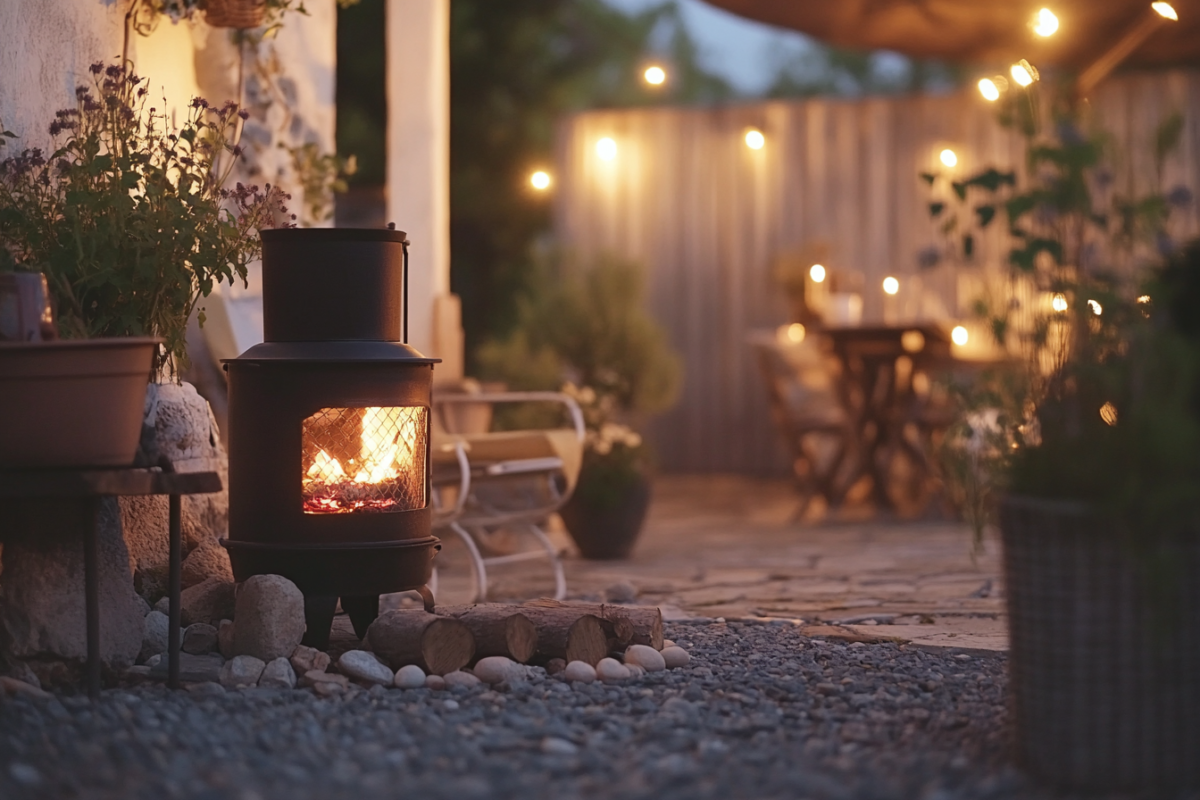
Summer evenings around a fire pit have a special charm. The choice of material for this convivial accessory can transform your experience. Between cast iron and steel, two options dominate the market. How to choose? Each material has its own characteristics, advantages, and disadvantages. This choice will be crucial for the atmosphere, style, and durability of your outdoor space. Understanding the subtleties of the materials will help you make an informed choice that aligns with your needs and expectations.
The Advantages and Disadvantages of Cast Iron
Cast iron is an ancient material, known for its robustness. It is prized for its ability to retain heat and its timeless aesthetic.
- Durability: Cast iron is resistant to both weather and heavy use. A cast iron fire pit can last for years without showing signs of weakness.
- Heat retention: By absorbing and distributing heat evenly, cast iron provides a gentle and consistent warmth, perfect for long outdoor evenings.
- Aesthetic: The rustic and elegant appearance of cast iron appeals to many outdoor decor enthusiasts.
- Weight: One of the negative aspects of cast iron is its significant weight, making it sometimes complicated to move the fire pit.
The Characteristics of Steel
On the other hand, steel appeals with its modernity and lightness. It is often chosen by those looking for a sleek design and increased mobility.
Lightweight: Unlike cast iron, steel is significantly lighter, making it easier to transport and move the item around your garden.
Contemporary style: Steel fire pits integrate perfectly into modern decor with their clean lines and refined finish.
Maintenance: Steel requires regular maintenance to prevent rust, especially if it is not specifically treated for outdoor use.
Affordable price: Generally, steel fire pits are less expensive than their cast iron counterparts, offering an economical solution for tighter budgets.
Choosing the Material: Based on Your Use
Each material has its own properties, but your choice will mainly depend on the use you plan for your fire pit.
- For intensive use and a warm atmosphere, cast iron is ideal. It offers enveloping and lasting warmth.
- If you are looking for a versatile barbecue fire pit that is easy to move, opt for steel, which combines lightness and design.
Adaptability: Your choice may also depend on the intended location for your fire pit. If your space is limited, steel, with its portability, might be more suitable.
Maintenance and Longevity
The longevity of a fire pit also depends on the care you give it. Depending on the chosen material, the requirements vary.
Cast iron, although resistant, requires cleaning after each use to preserve its appearance and properties.
Steel requires preventive treatment against rust and adequate protection against the elements to extend its lifespan.
Investing in a protective cover is a wise decision, regardless of the material chosen, to protect your investment from natural elements.
By considering these various aspects, everyone can determine the material that will best suit their lifestyle and personal preferences. Cast iron, with its rustic charm and enveloping warmth, is ideal for those seeking a traditional and durable atmosphere. Steel, with its contemporary look and mobility, appeals to those who appreciate modernity and flexibility. Whatever your choice, a well-chosen fire pit will enhance your outdoor moments, inviting friends and family to gather around a comforting and bright fire.